

SUPERFISH LEARN TO SWIM PROGRAMS
Children's Swimming Lessons Focused on Independent Water Confidence, Self Saving & Drowning Prevention Skills plus Essential Swimming Skills
Children from 3 Years+
A 2-LEVEL LEARN TO SWIM PROGRAM
PROGRAM QUICK LINKS:
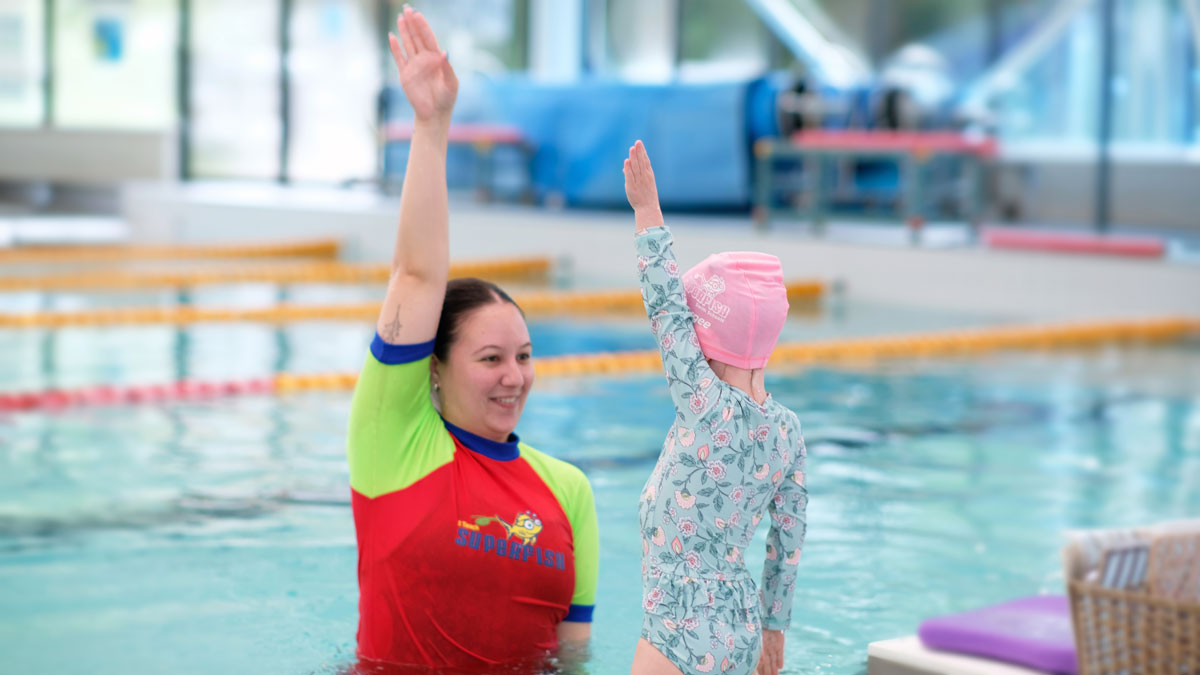
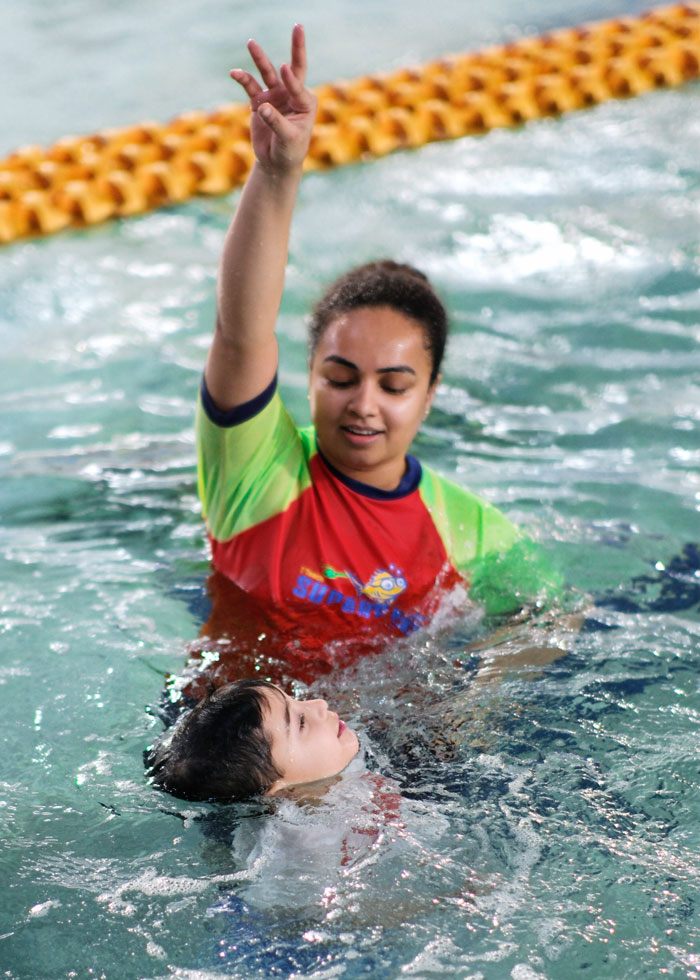
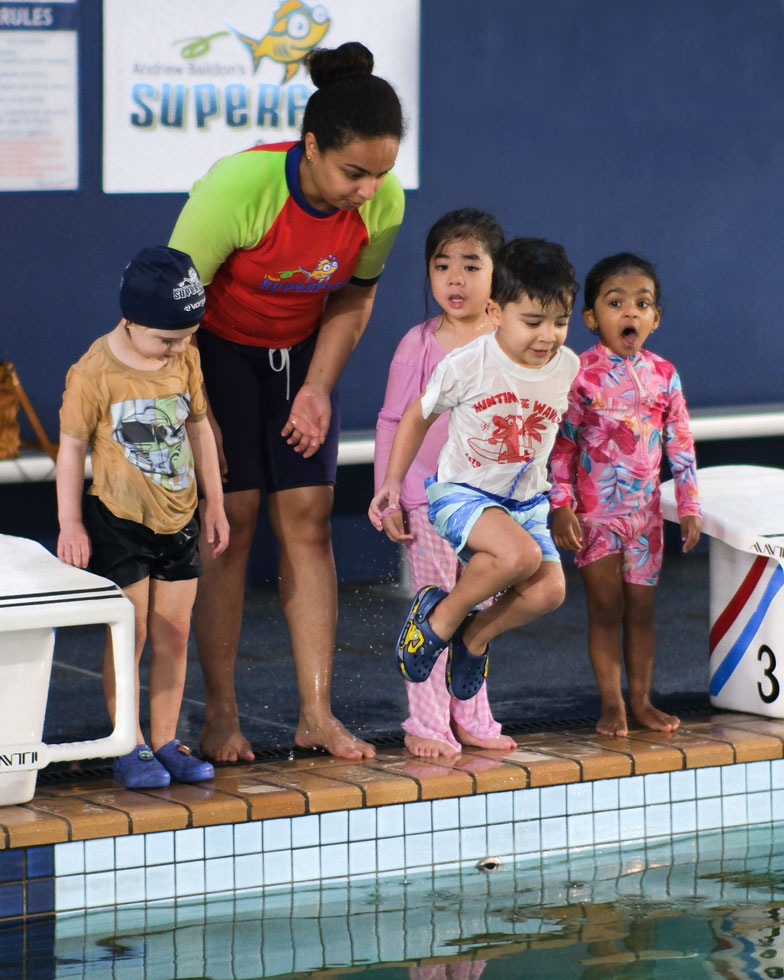
Superfish Flippas is a structured learn to swim program designed for young children who are ready to develop independent water confidence and developing swim skills without a parent in the water.
These classes focus on building strong water awareness, safety skills and early swimming technique in a supportive, progressive environment. Children are encouraged to become confident and capable in the water through repetition, consistency and carefully guided skill development.
The first stage of the program focuses on shallow water confidence and essential water safety. As children progress, they move into deeper water awareness while continuing to refine body position, kicking strength, paddling action and breathing control.
More than just swimming lessons, Flippas helps children build the confidence to move independently in the water while developing the basic skills needed for future stroke development.
Consistent attendance is key to achieving the best results, with many families choosing to attend 2 lessons per week for optimum progress.
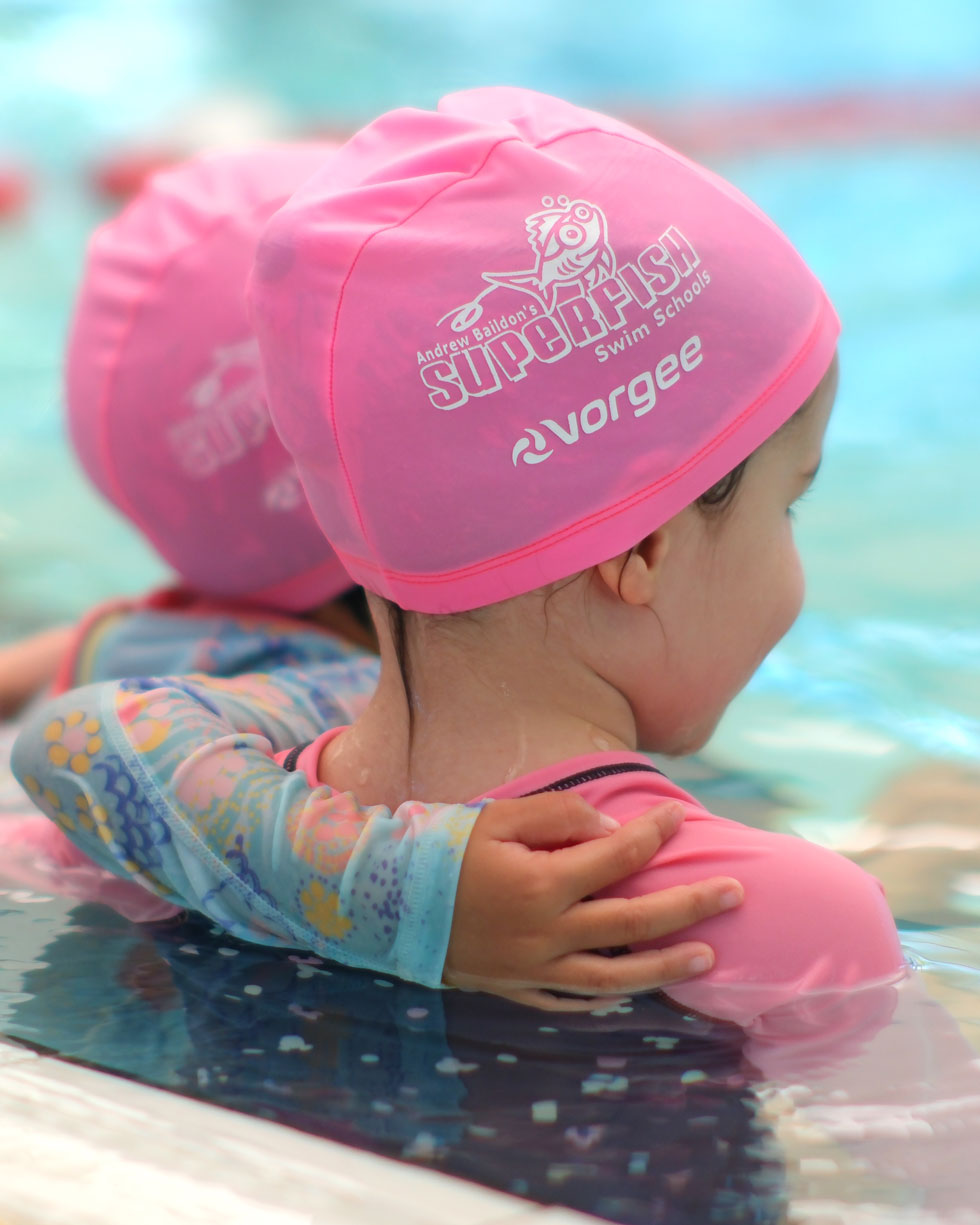
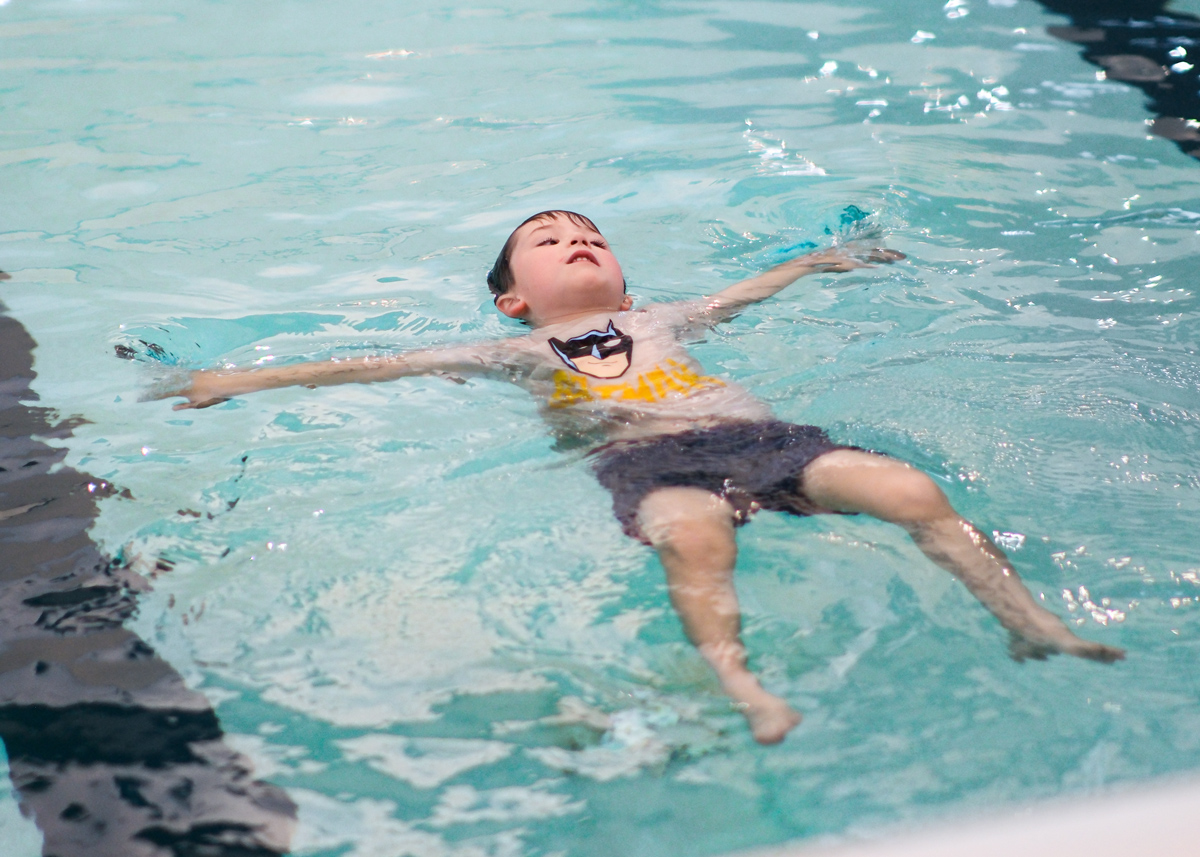
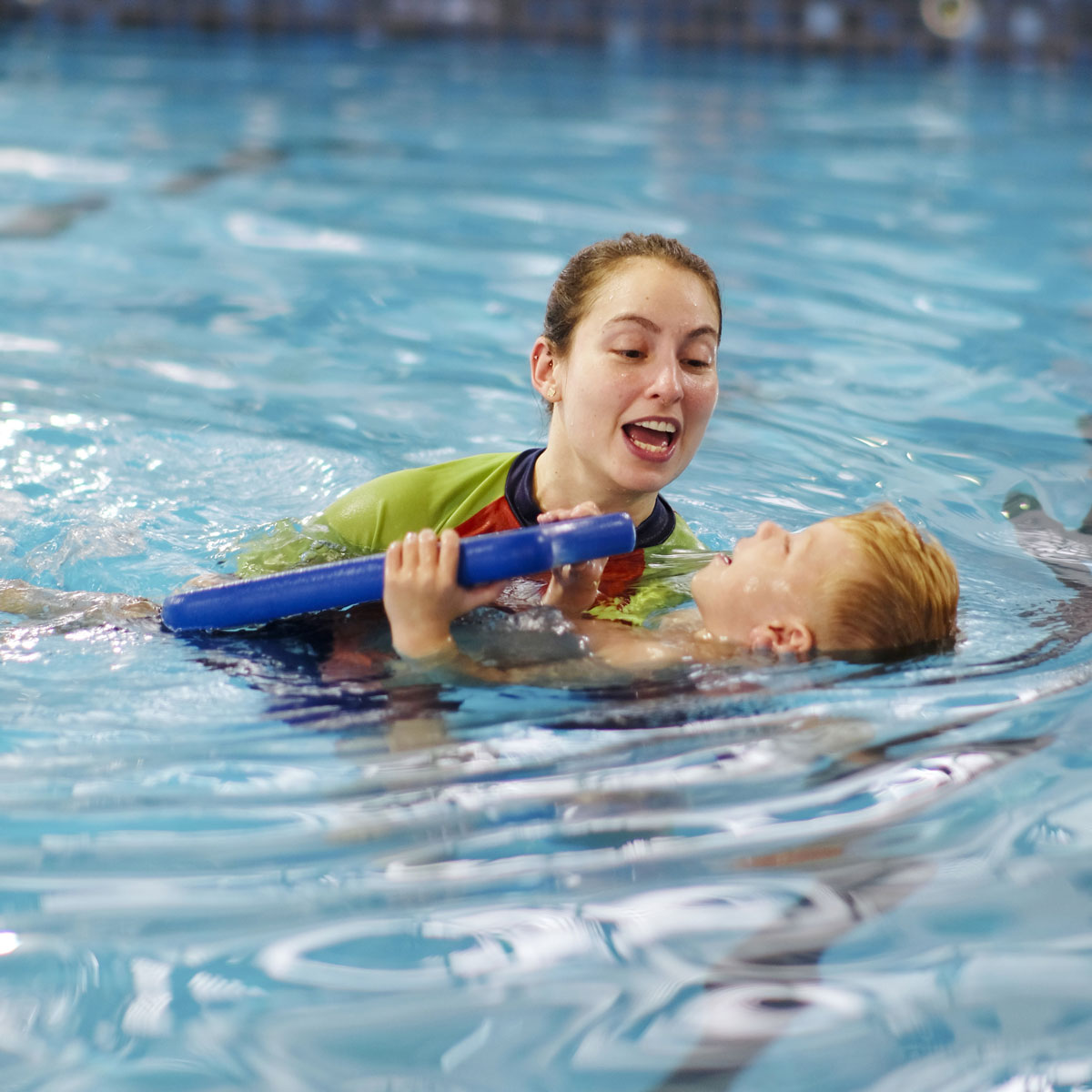
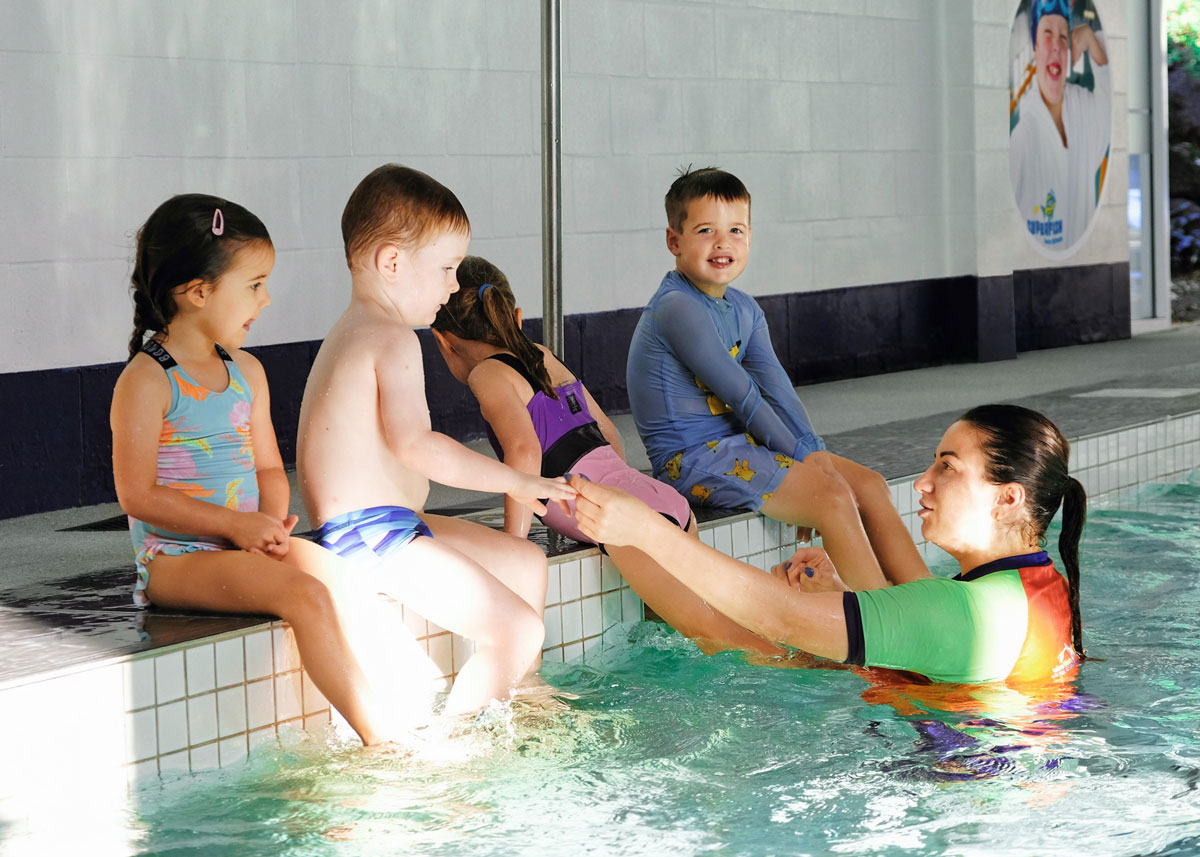
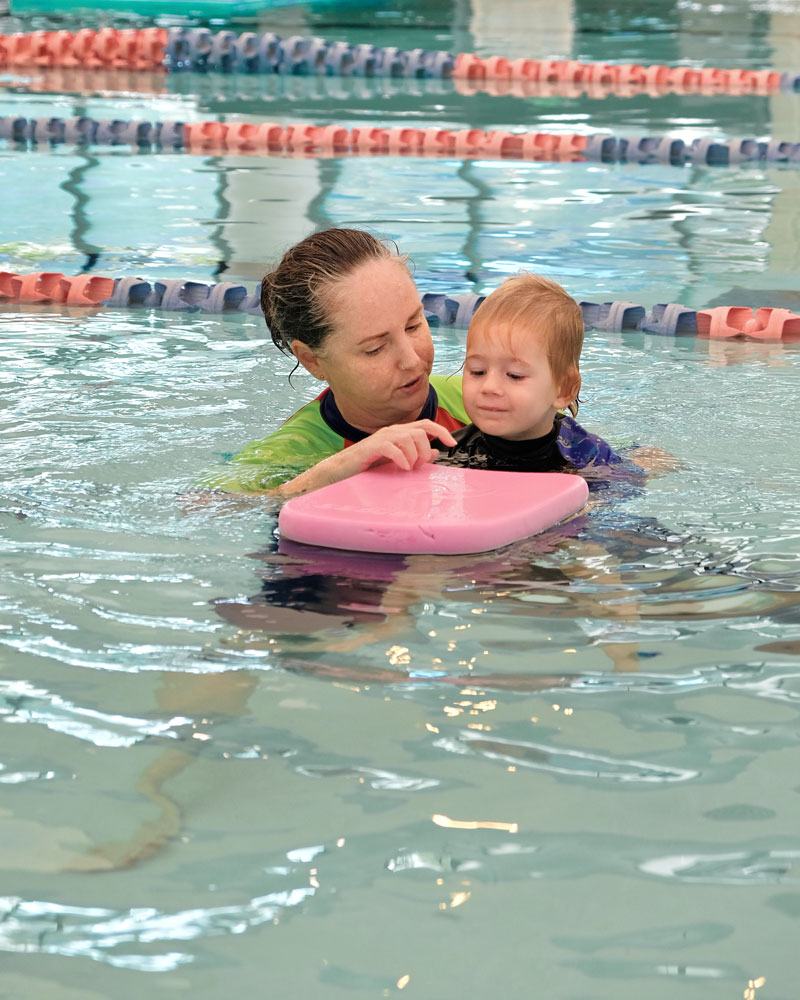
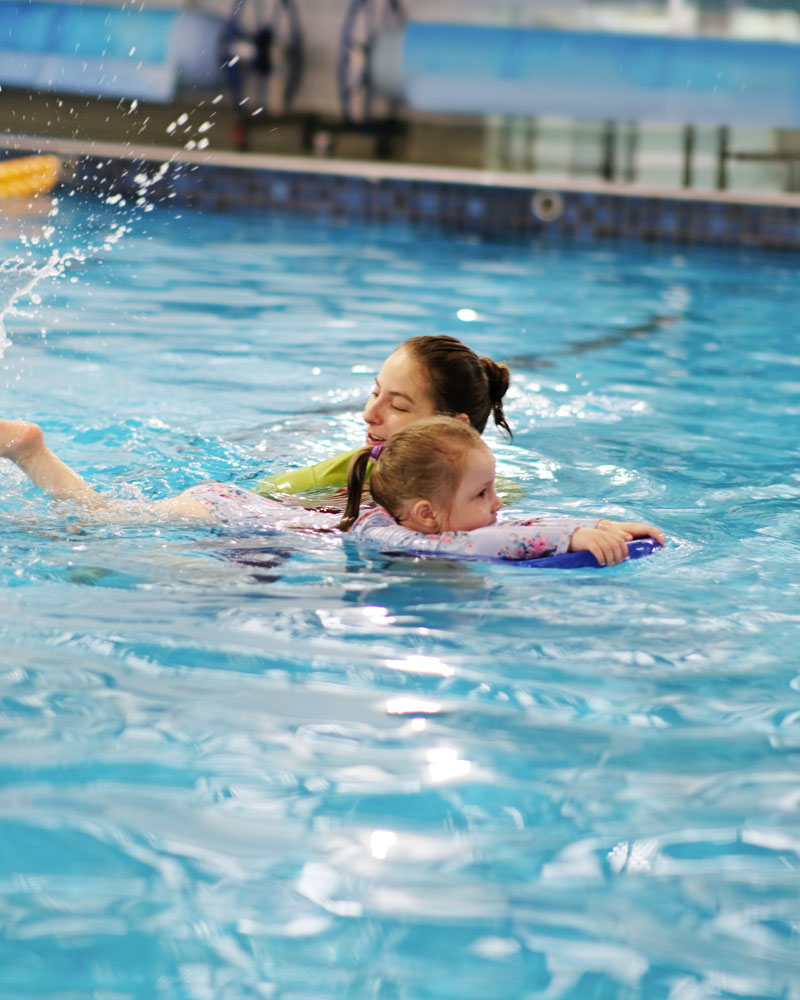
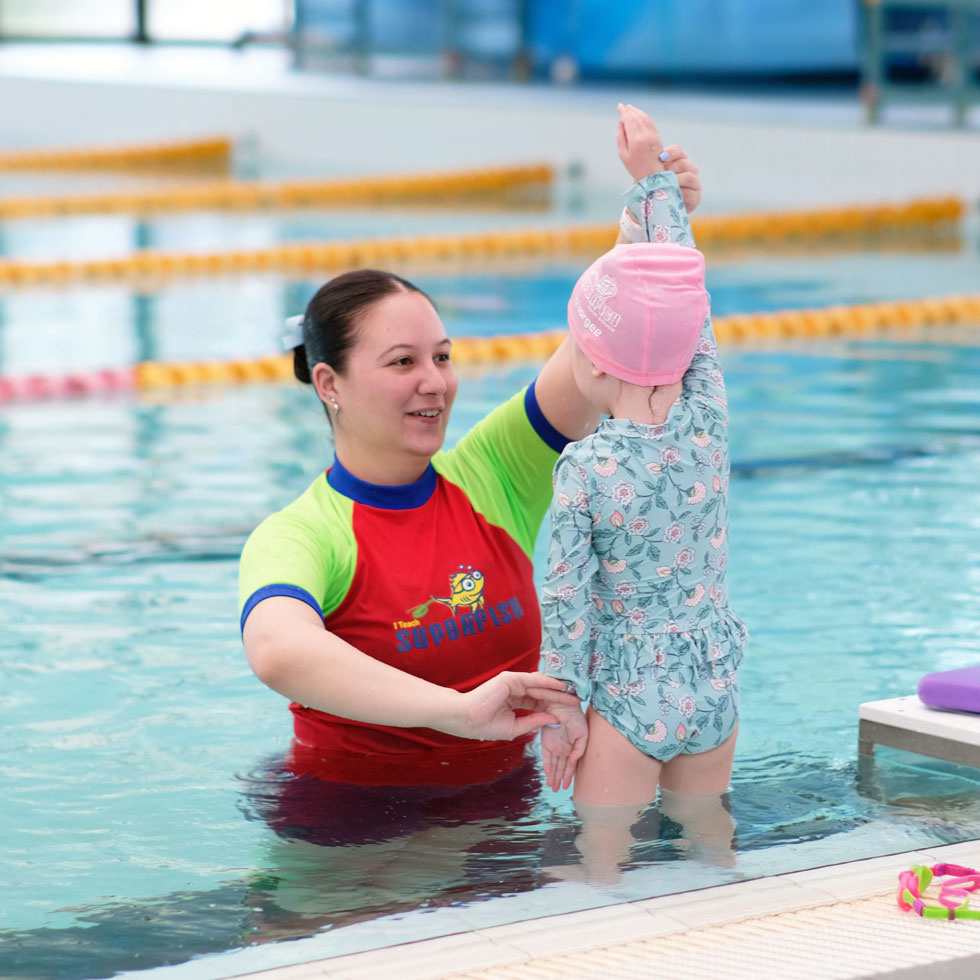
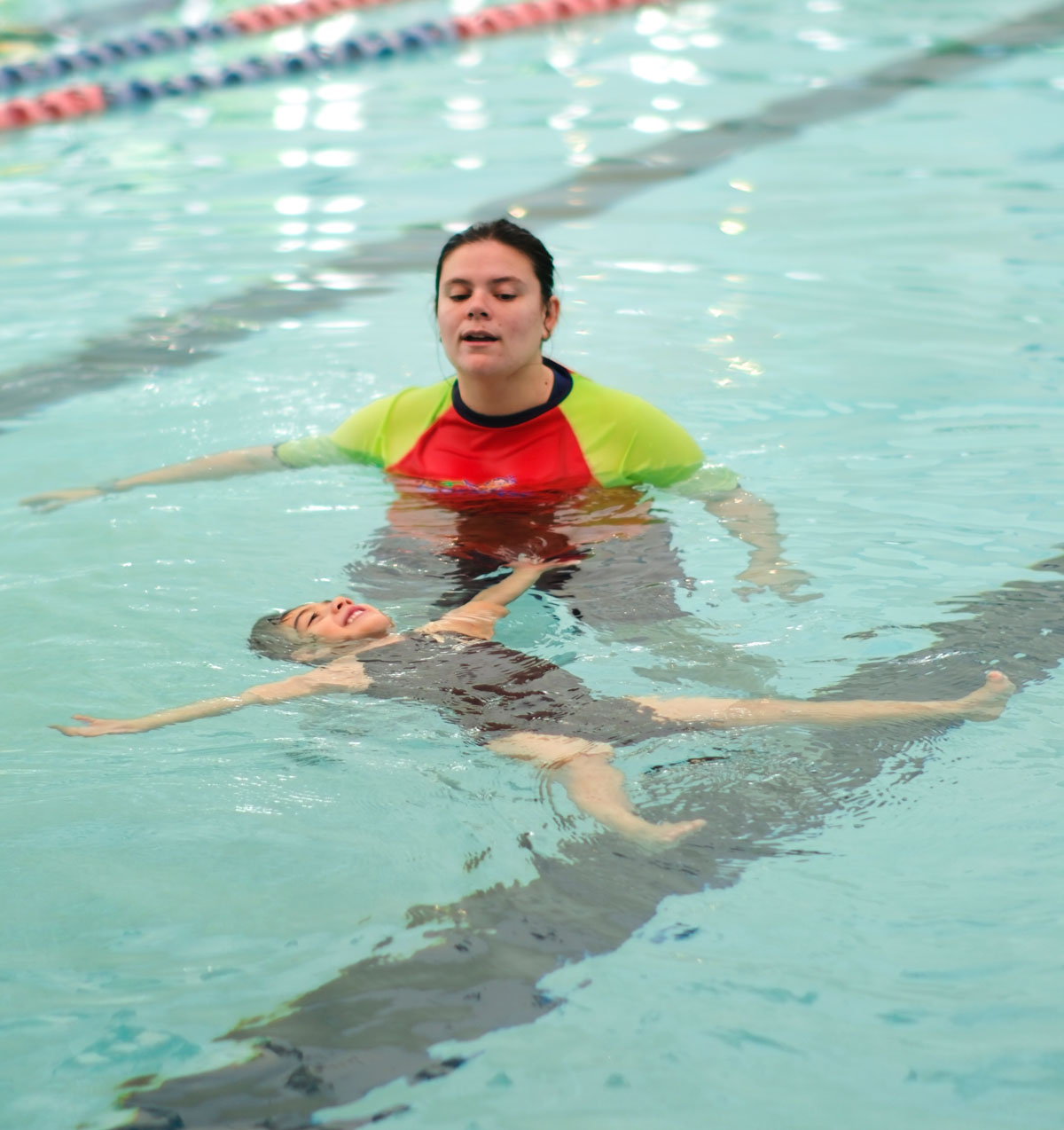
3 Years+
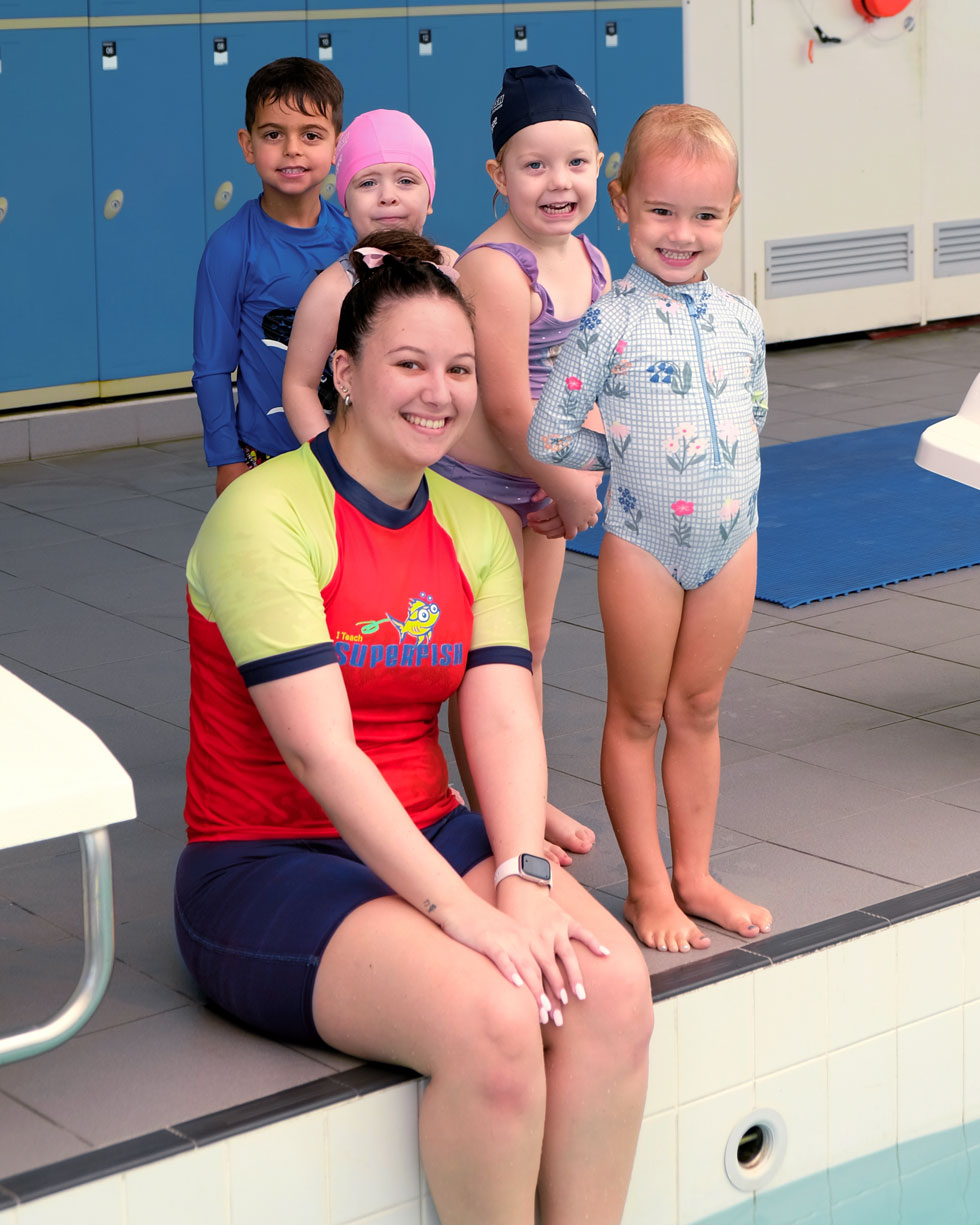
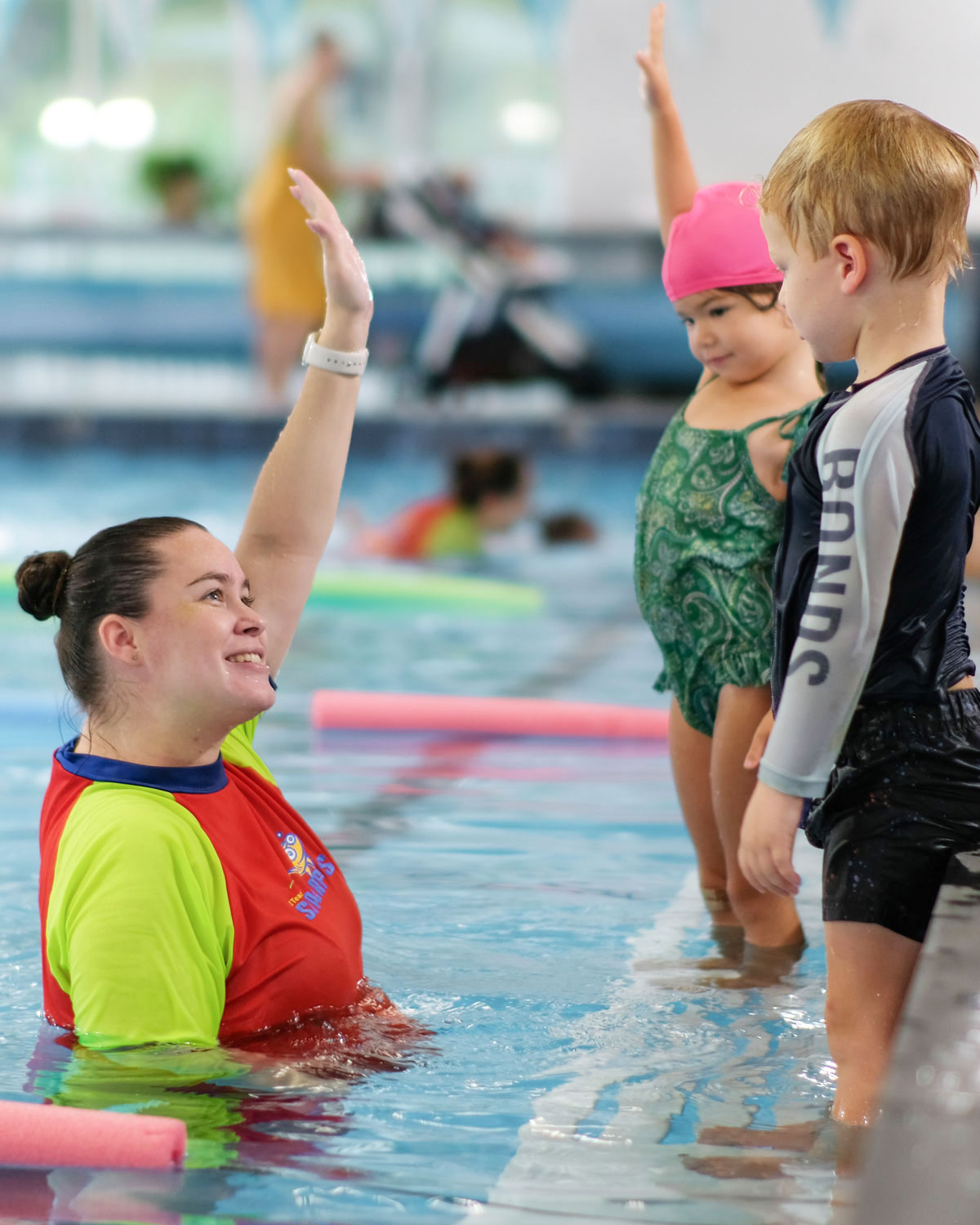
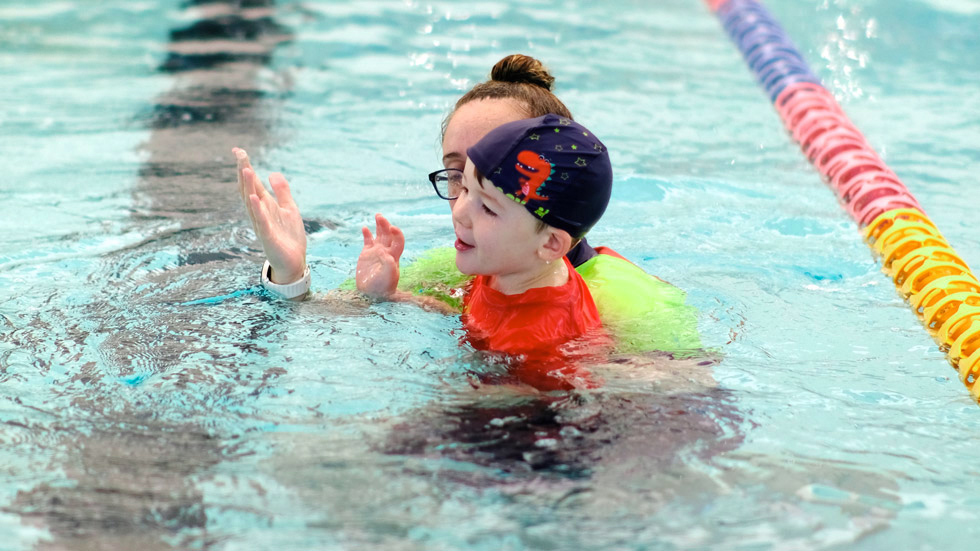
Children are introduced to independent water confidence, water safety and early swimming skills in a structured class environment.
While this program is designed for children aged 3+, placement is based on ability. Our instructors will guide your child into the most suitable level for their confidence and skills.
2 lesson p/w
Recommended for best results
From $17.55 per week*
What will your child learn?
FC1
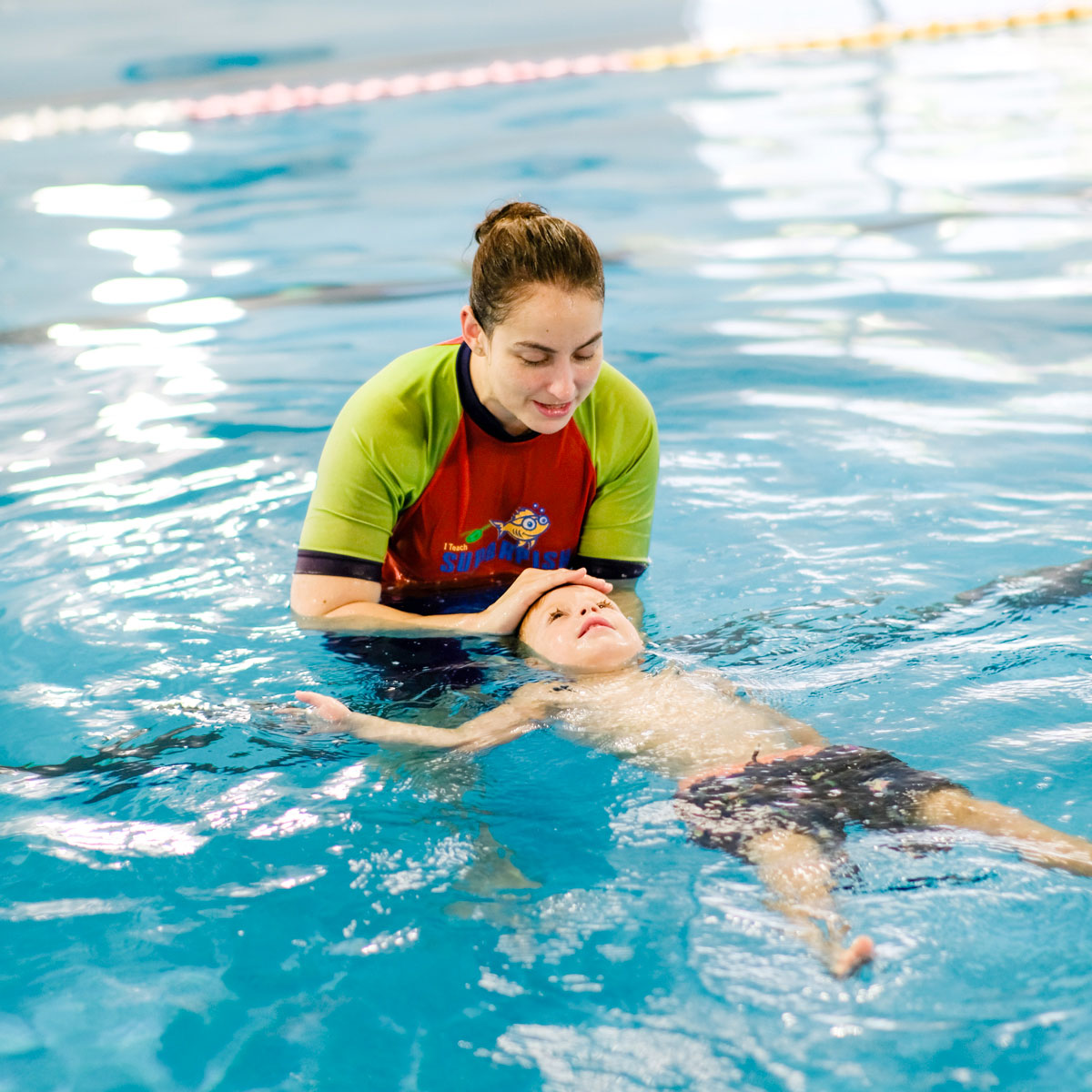
The first and most important step for FC1 swimmers is developing shallow water confidence and strong water awareness.
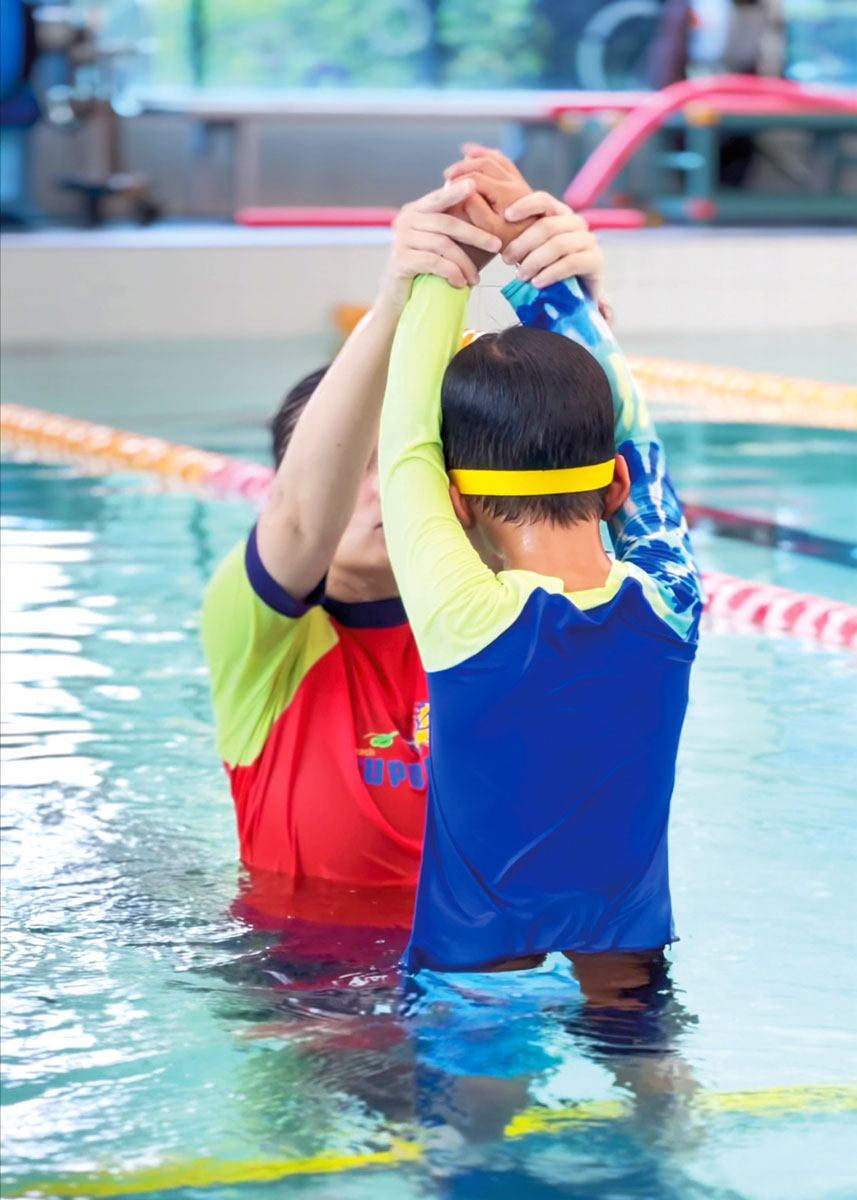
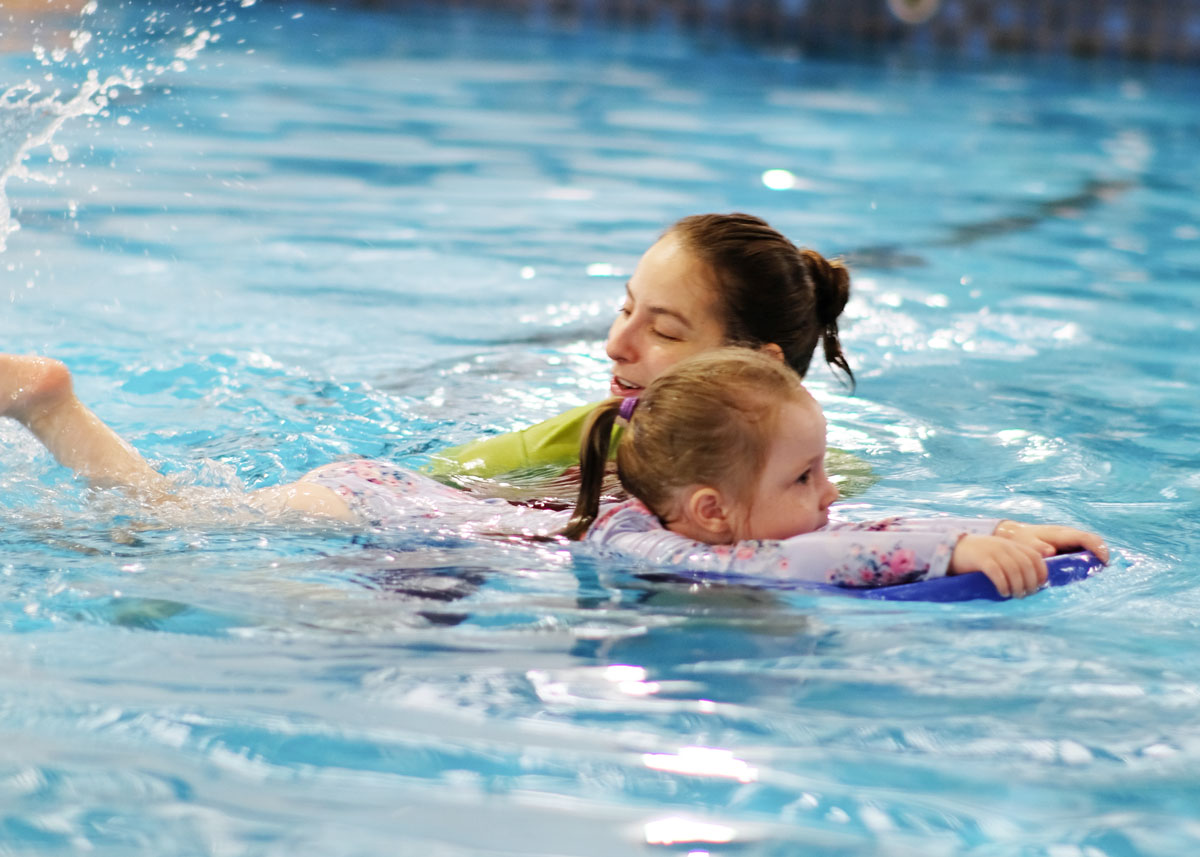
Children learn breath control, floating, long arm underwater paddles, streamline kicking, kicking on a board, submersion drills and essential survival skills. This level is designed to build trust, confidence and independence in the water while introducing the foundations of learn to swim technique.
FC2
Children progress into deep water confidence and deeper water awareness while continuing to strengthen their basic swimming ability.
At this stage, children work on correct head and body position, long arm underwater paddles, streamline kicking and stronger, more controlled movement through the water. A strong focus is placed on kicking drills to develop a powerful “motor” for both freestyle and backstroke.
What to bring
- Swimwear
- Towel
- Swim cap
- No floaties, flippers or goggles required
Policies & Helpful Info
FREE Family Swims*
Parents, carers and siblings of children enrolled in our Dippas and Flippas programs can enjoy FREE SWIMMING during public swimming times
Our Locations
Click on each location for full details
GOLD COAST
BRISBANE
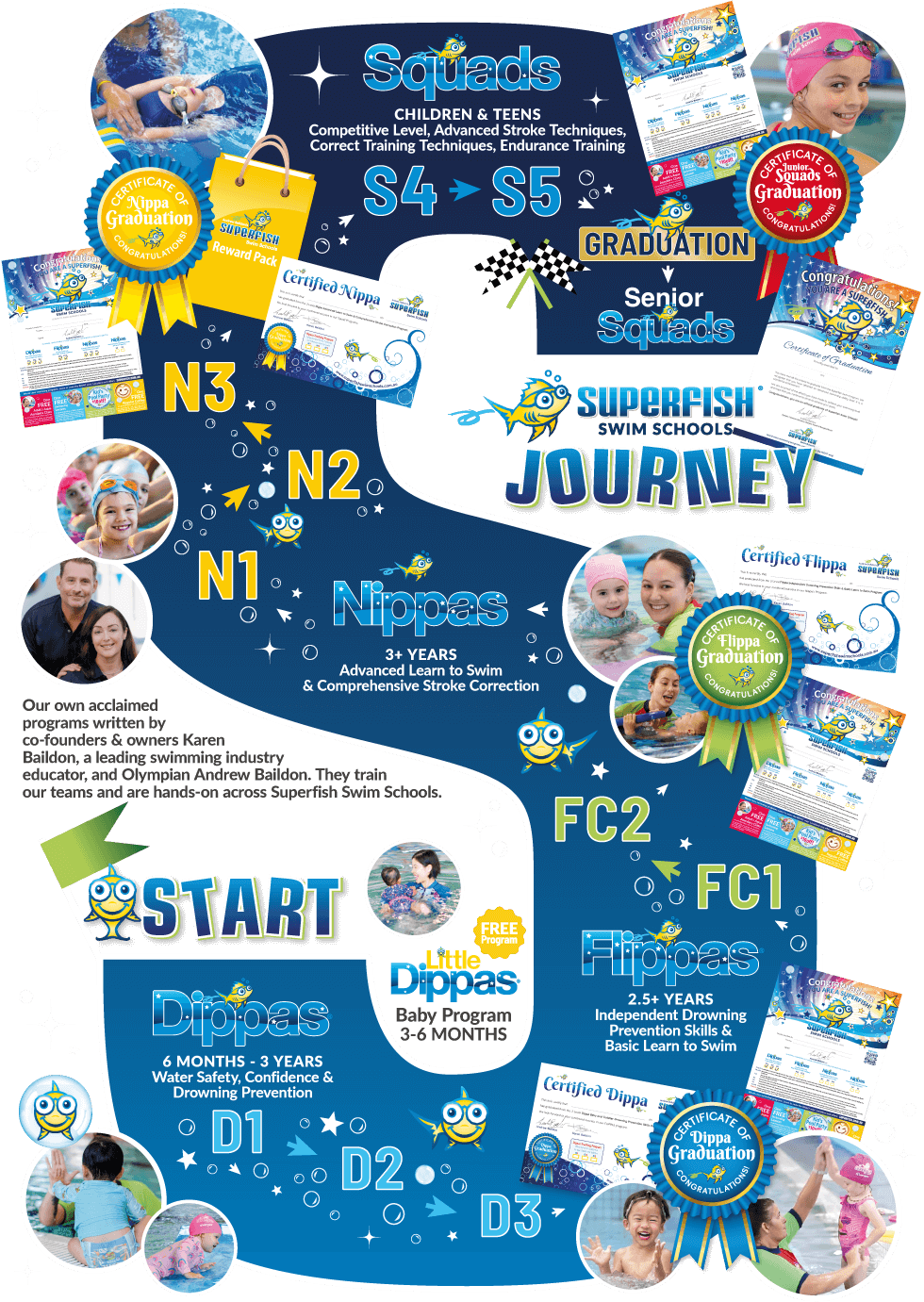
The Superfish Swimming Journey
Why Choose Superfish?
Superfish Swim Schools is recognised as a leader in structured Drowning Prevention and Learn to Swim programs, with lesson programs developed by internationally respected swim industry experts, co-founders and owners Karen and Andrew Baildon.
Dippas & Flippas Swimming Lessons
Frequently Asked Questions
First Toggle To Close All At Start
What days and times are available for swimming lessons?
We conduct lessons 6-7 days per week, Monday to Saturday, from 7am to 1pm and then from 2.30pm to 6.30pm. Our office staff will assist you in finding days and the lesson times that suit you. A number of our centres now conduct lessons on Sunday AM.
Are Superfish Swim Schools swimming pools heated and indoors?
Yes, our swimming pools are totally indoor and heated to an average of 31.5˚, offering your family year round swimming facilities. Our pool water is checked 3-4 times a day for correct chlorine and PH levels. We consistently maintain our pools so they are always in the healthiest condition. The pools are specifically designed for teaching and coaching. We provide comfortable, heated change facilities, parent viewing area/grandstand, children’s enclosed play area with TV/Video and café.
Do you offer make up swimming classes if my child is sick?
Yes we do offer make-up lessons. Please carefully read our Policy Information Booklet for full details.
What is the recommended number of swimming lessons each week and why?
We recommend a minimum of 2 swimming lessons per week as an ideal, manageable, productive amount of weekly lessons in a drowning prevention and learning to swim program. Think of ‘Actual’ swimming lesson time: One ½ hour lesson per week = only 2 hours swimming time per month. By attending 2 lessons per week, doubles the swimming time to 4 hours per month. Regular, consistent lessons is the only way to re-enforce life saving drowning prevention drills and learn to swim skills. It has been proven that attending 2 lessons each week actually accelerates the learning in a drowning prevention and learn to swim program at 4 times the rate of attending lessons once per week.
FLOATIES: Why do we NOT teach Drowning Prevention and Learn to Swim with Floaties?
We do not recommend the wearing of floatation aids, for a number of reasons. They give infants and young children a ‘false’ sense of security and confidence in the water. Often, children forget when they are not wearing a floatation aid, and due to false water confidence from the floatation aid, leads to dire circumstances in the aquatic environment. Children who learn to swim with floatation aids also become dependent on them, instead of learning to swim with their own buoyancy. Floatation aids can also make parents more complacent while supervising. Often floaties, back-bubble floats and pool rings can come loose or slip sideways, or, even slip off. It is much safer for an infant and young child, to have a healthy caution of aquatic environments and create their own buoyancy and preventative drowning techniques.
CAPS & GOGGLES: Does my child need to bring to lessons?
GOGGLES - Superfish believe it is vitally important for children to learn Water Safety Skills WITHOUT the wearing of goggles. Goggles are classed as an ‘aid’ They are unnecessary in the beginning stages of swimming development. A child reliant on the wearing of goggles may panic due to a dependence on learning to swim with goggles. Children need to develop strong Drowning Prevention skills WITHOUT the wearing of goggles.
For our DIPPAS program - - Superfish has a ‘NO Goggle Policy’ that Superfish strongly enforces.
For our FLIPPAS program - Children are able to wear goggles in lessons, to allow goggles worn for Kicking & Swimming drills in these levels. ALL Water Safety Drills require practice WITHOUT Goggles. The wearing of goggles is still not encouraged OR promoted in these levels.
CAPS - Caps are not required in our Baby & Toddler Programs (DIPPAS), however, once in an Independent class level (FLIPPAS) we encourage ALL swimmers to wear a cap to lessons. The wearing of caps for swimmers in our pools keep our pools cleaner, and, keep hair out of children’s eyes, that can be very distracting for beginner swimmers.
DIPPAS - NO Cap or Goggles Required.
FLIPPAS - Caps are required. Goggles are optional, but not recommended.
FLIPPERS: Why do we NOT teach Drowning Prevention and Learn to Swim with Flippers?
Flippers can also be classed as an ‘aid’. They are unnecessary in the beginning stages of swimming development. In a precarious aquatic situation, a child reliant with the wearing of flippers, when learning to swim, can panic due to dependence from wearing flippers, if flippers are not available. Children need to develop a strong kicking action to develop a high degree of independent water safety. The wearing of flippers, can also encourage an incorrect freestyle kicking action, kicking from the ‘knee’ instead of the ‘hip’ in beginner swimmers, creating an incorrect ‘bicycle’ kick.
BLOWING BUBBLES: Why do we NOT teach Blowing Bubbles to Infants and Beginner Swimmers?
One of the most important skills we can teach infants and beginner swimmers for drowning prevention, is BREATH CONTROL – learning to hold our breath when our mouth and nose is submerged in water. Simply, we teach infants and beginner swimmers to hold their breath under water. This practice keeps air inside the lungs, which, in turn, increases buoyancy. If a baby or young child has lungs full of air, they will stay close to the surface easier, buying time in a ‘life threatening’ aquatic situation. Without this skill, commonly, babies, young children and non-swimmers will try and breath in while submerged in water, filling the lungs with water. Blowing bubbles empties the lungs of air. Empty lungs increase the chance of sinking under water faster.
What is the Reflex Action and why do we teach it?
The ‘Reflex Action’ or commonly known as ‘Humpty Dumpty’ is a skill practiced repeated until it becomes a ‘Reflex’ in Infants and Young Children. It is the practice of ‘falling’ into a pool, turning themselves immediately around and catching the ledge of the pool. This activity is taught through repetition until the thought process becomes a ‘reflex’. It is another extremely important drowning prevention drill for infants, young children and beginner swimmers to learn.
Why do we do so many Floating and Swim-Roll-Float Drills?
These drills maybe the most effective drowning prevention skill to teach infants, young children and non-swimmers. It is a combination of being able to ‘roll’ from their front, with their faced submerged under water, into a floating position on their back. If needed, from this position they can call out for attention. They can also ‘roll’ back to a swimming/paddling position to swim when needed and repeat, for an extended length of time. A baby’s head is 1/3 the size of their total size, so, to ‘lift their head’ for a breath, whilst submerged in water is impossible.
Toddlers and young children generally do still not have the neck muscle development or the strength to ‘lift their head’ either. This skill is particularly important when there is no wall/ledge to swim back to.
Why do we ask parents to wear T-Shirts in Swimming Classes?
When beginning to paddle and kick, infants also need to learn to ‘catch on’ to the ledge of the pool, a pool railing etc. Basically anything they are able to pull themselves up onto. When swimming to a parent, we encourage infants to ‘catch on’ to the parent independently, and pull themselves up from the water level. We need parents to wear t-shirts for little ones to hold onto when doing this drill.
Why do we teach under water ‘Swapping Arms’ before we teach ‘Over Arm’ Freestyle?
The most important part of the Freestyle Swimming Stroke is what happens under the water. The effectiveness of the ‘pull’ under the water is what propels the swimming stroke forward. This ‘pull’ or ‘sculling’ is taught to beginner swimmers, so they learn what moves them forward in the water. This drill is continued right through to advanced squad programs. If a swimmer is taught ‘over-arm’ freestyle too early in their swimming progression, before the correct basics have been established, the swimmer will ‘snake’ their body and wrongly ‘cross kick’ their kicking legs to compensate the weakness in the vitally important strong kick and a correct head and body position.
Why is it so important to continue swimming lessons through the winter months?
It is vitally important once you start in a drowning prevention and learn to swim program to continue throughout the winter months, as infants and young children under 5 years old do not have a developed muscle memory, as older children and adults do. Basically, there is no way they will remember skills they have been taught in classes when extended breaks occur. Drowning Prevention and basic Learn to Swim is only effective in the ‘Under 5’s’ age bracket, when a consistent, continuous progression is taught, continued and developed. If this progression is haltered, even for periods of 6 weeks, you will see a decline in the comprehension and ability levels with these life saving skills.
What Parents Are Saying


07 5529 4343
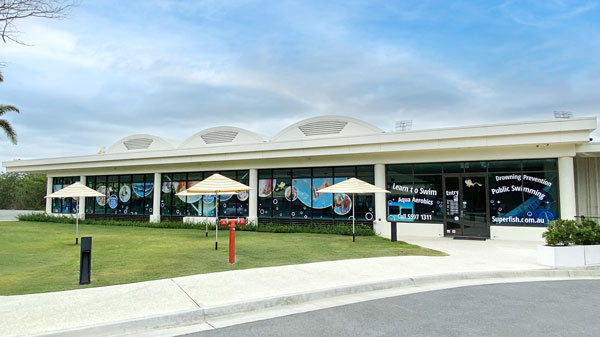
07 5597 1311
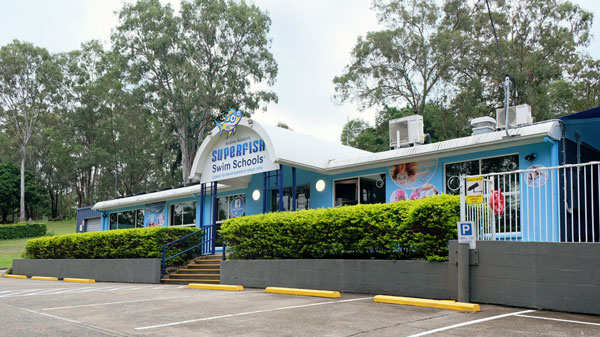
07 5530 6116
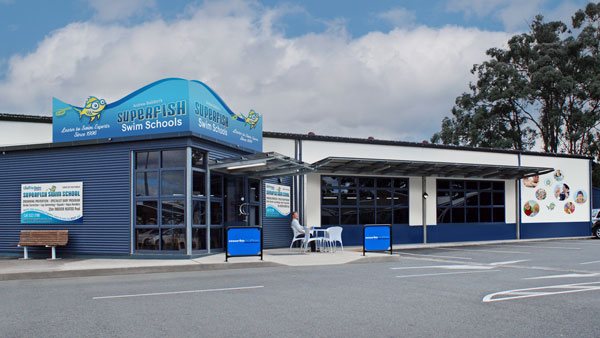
07 3323 3188
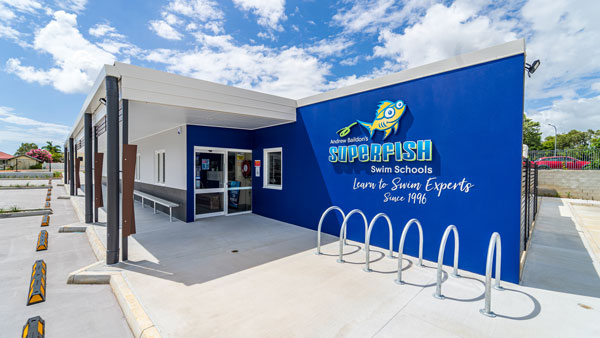
07 3086 0131
Industry Affiliations


For personalised instruction and faster progression, Superfish offers private one-on-one lessons, providing focused attention tailored to each swimmer’s ability, confidence and goals. Ideal for beginners needing extra support, those refining technique, or swimmers preparing for squad transition. Available year-round across our centres, these sessions complement our structured group programs while offering flexibility.
Private lessons must be organised with Admin and depend on staff availability. We accept a maximum of 2 children per private lesson.
PRIVATE LESSON FEES:
15 minutes – $40
30 minutes – $75
Conditions apply.
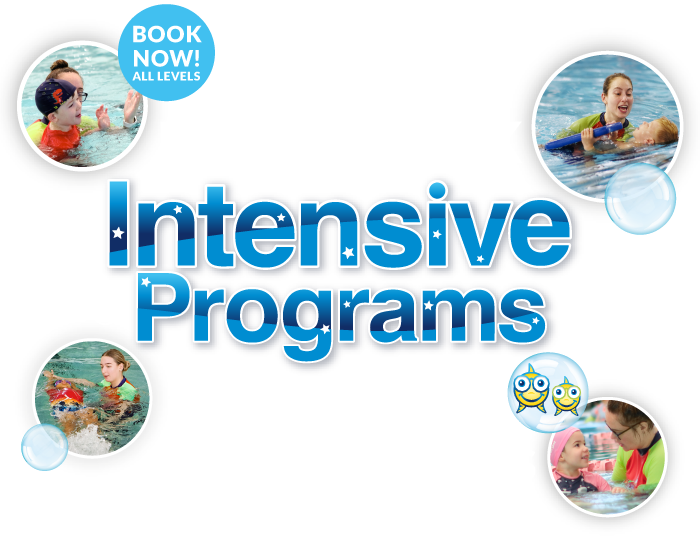
A healthy school holiday activity that actually makes a difference. Less screen time, more swim time – and serious progress.
Our Fast-Track Intensive Programs rapidly increase water safety and drowning prevention skills. Private Lesson boost learning retention levels with swimming skills.
Outstanding rate of improvement!
FREE Baby Program
- Life-Saving Water Familiarisation Lessons*
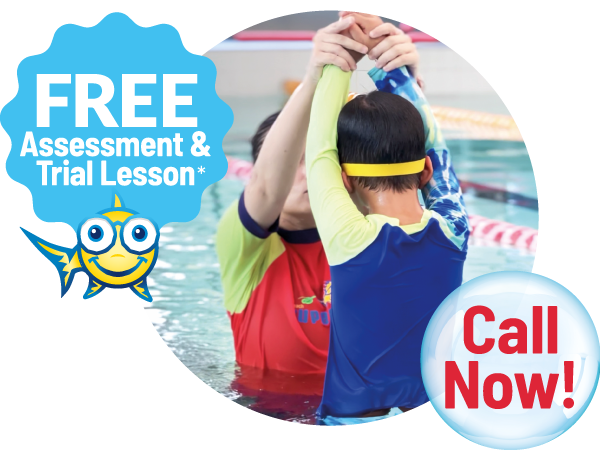
All ages FREE Assessment & FREE Trial Lesson*
Our Learn To Swim Programs
BABIES 13 TO 25 WEEKS

6 MONTHS TO 3 YEARS
2.5 YEARS +

SCHOOL AGE

7 TO 16 YEARS
CLICK TO CALL
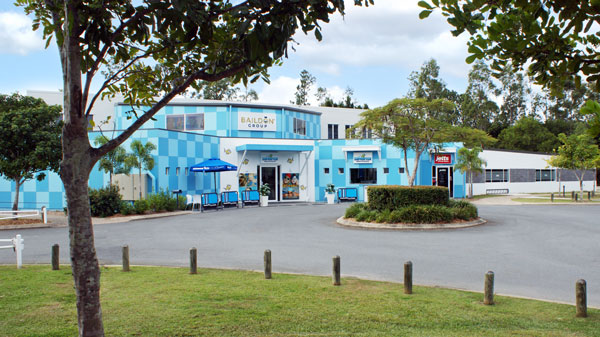
Pacific Pines
07 5529 4343
BENOWA
07 5597 1311
Worongary
07 5530 6116
SUNNYBANK
07 3323 3188
REDLAND BAY
07 3086 0131